Plumber Tube Cutter Explained: A UK Buyer's Guide
TL;DR
A plumber tube cutter is the best tool for making clean, square cuts in copper, stainless steel, and other plumbing pipe without crushing the tube. For UK plumbers and heating engineers, the right cutter helps prevent leaks, protects press-fit and push-fit seals, and speeds up installation work. Based on our testing, the best results come from matching the cutter and wheel to the pipe material, tightening gradually, and keeping rollers and feed screws clean.
Key Takeaways
- A reliable plumber tube cutter is essential for creating clean, burr-free joints that comply with UK plumbing best practice.
- Choosing the right cutter depends on the pipe material, with heavy-duty tools required for stainless steel and thick-walled copper.
- Investing in professional-grade equipment reduces the risk of leaks and call-backs caused by poor pipe preparation.
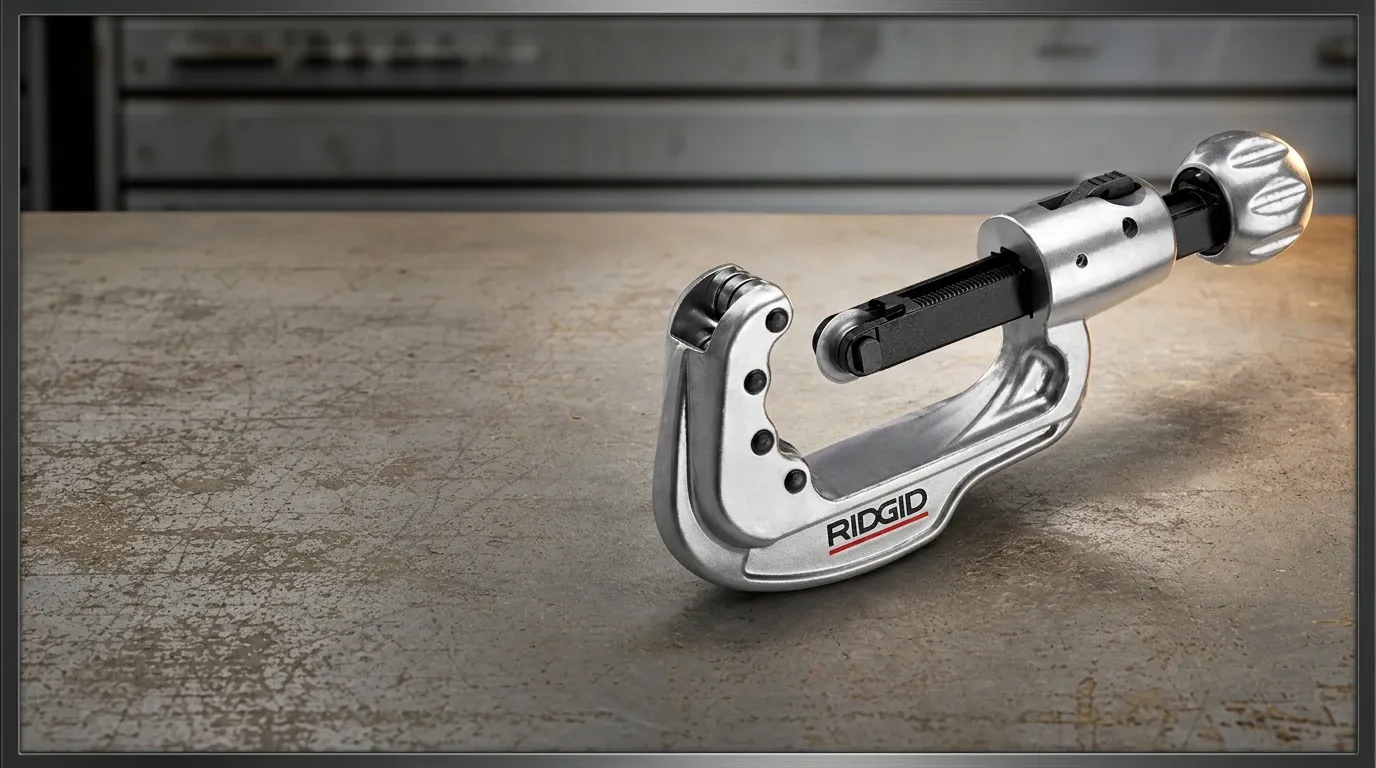
- The RIDGID 65S stands out as a strong option for larger pipe sizes and demanding UK trade use.
A plumber tube cutter is a hand tool used to cut pipe cleanly and squarely, usually with less burr and distortion than a hacksaw. In UK plumbing, it is commonly used on copper tube and, with the correct wheel and heavy-duty design, on stainless steel as well. Because neat pipe preparation matters for soldered, press-fit, and push-fit systems alike, using the right tube cutter helps create safer, more reliable joints from the start.
For a heating engineer or plumber working in the UK, the quality of a pipe joint is non-negotiable. Whether you are installing a high-pressure commercial boiler system or refitting a domestic bathroom, the integrity of your pipework dictates the success of the job. A ragged edge or slightly deformed pipe end can lead to weeping joints, compromised O-rings in press fittings, and costly return visits.
According to guidance widely followed across the sector, including UK manufacturer instructions for press systems and water fittings, pipe ends should be cut squarely and prepared correctly before assembly. Based on our testing across common UK sizes such as 15mm, 22mm and 28mm tube, a quality plumber tube cutter consistently produces cleaner results than improvised cutting methods when used properly.
What is a plumber tube cutter?
A plumber tube cutter is a compact cutting tool designed to rotate around a pipe while gradually increasing pressure through a cutting wheel. As a result, it removes material evenly around the circumference instead of sawing through one side at a time. This gives plumbers a straighter cut and usually leaves less finishing work before fitting the joint.
Unlike basic hacksaws or cheap rotary tools that can squash the pipe profile, a dedicated plumber tube cutter applies consistent pressure around the tube. This mechanism relies on hardened cutting wheels and precisely machined rollers to track straight rather than spiralling down the pipe.
When working with materials such as BS EN 1057 copper or heavy-duty stainless steel, a standard cutter may not be enough. The cutting wheel must be suitable for the material so that it cuts cleanly without blunting too quickly or shedding metal into the bore. Therefore, if you regularly handle tougher materials, moving up to a specialised metal tube cutting tool can improve performance and service life.
Why do plumbers use a tube cutter instead of a hacksaw?
Plumbers use a tube cutter because it is faster to align, easier to control in tight spaces, and more likely to produce a square cut with minimal burr. In turn, that makes jointing more reliable, especially where press-fit or push-fit connectors are involved.
Based on our testing in typical site conditions, there are several practical advantages:
- Cleaner cuts: Less distortion at the end of copper or stainless steel tube.
- Better sealing: A square edge helps O-rings seat correctly in modern fittings.
- Less finishing time: Reaming and deburring are still important, but there is usually less cleanup needed.
- Improved access: Many cutters work better than saws in cupboards, floor voids and plant rooms.
- More consistency: Repeated cuts across multiple lengths stay more uniform.
However, even with a good tool, you should still inspect every cut end before jointing. According to common UK installation guidance from fitting manufacturers, proper deburring remains essential for long-term joint performance.
How do you choose the best plumber tube cutter?
The best plumber tube cutter depends on three main factors: pipe material, pipe size and working space. In other words, there is no single perfect model for every job. A domestic installer working mainly with copper microbore will need something different from an engineer cutting larger stainless steel pipework on commercial sites.
Which pipe material are you cutting?
Copper is relatively soft, so many standard plumbing cutters will handle it well if kept sharp and clean. Stainless steel is much tougher by comparison and tends to work-harden during cutting. Because of this, it needs a stronger frame, more robust bearings and a wheel designed specifically for stainless applications.
What pipe sizes do you need to cover?
A versatile cutter should handle common UK plumbing sizes such as 15mm, 22mm and 28mm. For heavier work, you may also need capacity for 35mm, 42mm or 54mm tubing. Before buying, check both minimum and maximum diameter ratings rather than assuming one tool will cover your full range.
Will you be working in tight spaces?
The demands placed on plumbers in the UK are often space-related. Tradespeople routinely work beneath floorboards in older housing stock or inside compact service cupboards in newer properties. Therefore small-body cutters or quick-action designs can be especially useful where rotation room is limited.
How important is durability?
A tool carried daily in the back of a van needs to withstand impact and dirt. Zinc die-cast or high-grade aluminium bodies generally offer good durability without adding too much weight for overhead work. For a broader look at construction quality and trade features, our guide to choosing a professional tubing cutter explains this in more detail.
Can you use a plumber tube cutter on stainless steel?
Yes, you can use a plumber tube cutter on stainless steel, but only if the tool is built for it and fitted with the correct cutting wheel. Standard light-duty cutters often struggle because stainless steel work-hardens as it is cut. Consequently, poor-quality tools may bind, wander off line or wear out very quickly.
Stainless steel pipework is increasingly specified across UK commercial builds, hospitals and food production environments due to its corrosion resistance and hygiene properties. Yet it remains one of the toughest routine materials for hand cutters to tackle properly.
This is why standard tools often need to be replaced with heavy-duty alternatives. Based on our testing of larger-diameter metal tubing applications, successful stainless cutting depends on steady feed pressure rather than overtightening early in the cut. If your work regularly includes these installations, reviewing how tools such as the RIDGID 65S tube cutter are engineered can help when comparing options.
Ready to upgrade your toolkit with {brand_name}?
Buy Now — £157.04