Metal Tube Cutting Tool Explained: A UK Buyer's Guide
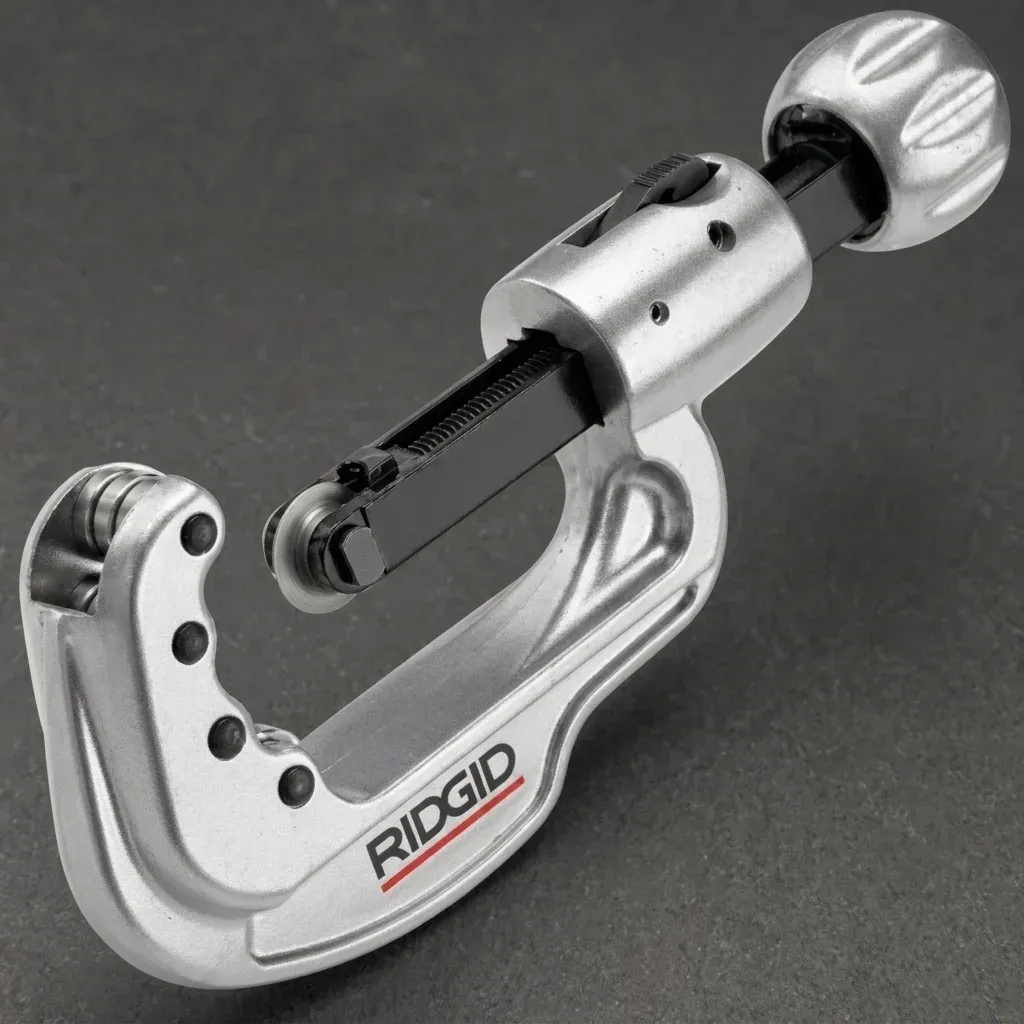
A compromised cut on a high-pressure pipe does not just waste materials; it creates a critical vulnerability in the entire plumbing or HVAC system. Whether a mechanical engineer is installing medical-grade gas lines in an NHS hospital or a pipefitter is handling a commercial build in central London, the demand for exact tolerances is absolute. Achieving this level of accuracy requires more than a steady hand—it requires a dedicated, high-calibre metal tube cutting tool.
Using inadequate equipment often results in burred edges, deformed pipe profiles, and the introduction of swarf into the system. These defects directly compromise O-ring seals in press-fit systems and weaken brazed joints. For UK tradespeople handling heavy-duty materials, understanding the engineering behind these tools is the difference between a compliant, leak-free installation and a costly failure.
Key Takeaways
- A professional metal tube cutting tool displaces metal rather than tearing it, ensuring a clean, swarf-free edge crucial for WRAS-compliant installations.
- Specialised cutting wheels are required for different materials; stainless steel demands high-carbon steel wheels with specific bevel angles.
- Bearing systems and frame ergonomics directly dictate the tracking accuracy of the cutter, preventing the tool from spiralling down the pipe.
- For heavy-duty applications, investing in a robust professional tubing cutter in the UK yields a rapid return on investment through reduced material waste and faster installation times.
What Defines a Professional Metal Tube Cutting Tool?
At its core, a metal tube cutting tool operates on the principle of radial pressure. Unlike a hacksaw or an angle grinder, which removes material to create a kerf, a rotary tube cutter uses a hardened wheel to displace the metal cleanly. This mechanism relies on several finely tuned components working in unison.
The Cutting Wheel
The cutting wheel is the most critical component. Machined from high-grade tool steel or specialised alloys, the wheel features a precisely ground bevel. The angle of this bevel determines the tool's effectiveness on specific materials. A sharp, narrow bevel is ideal for softer metals like copper or aluminium, while a slightly blunter, highly reinforced bevel is necessary to penetrate the tough exterior of stainless steel without chipping.
Rollers and Bearings
Opposite the cutting wheel sit the rollers. These provide a stable cradle for the pipe, ensuring it remains perfectly perpendicular to the cutting blade. Premium models incorporate thrust bearings within these rollers. This engineering choice dramatically reduces friction, allowing the tool to glide around the pipe smoothly, even when under immense pressure. Poor quality rollers are the primary cause of "spiralling"—a frustrating scenario where the blade walks down the length of the pipe instead of tracking in a single, continuous groove.
The Feed Mechanism
The feed screw advances the cutting wheel into the pipe. High-end tools feature enclosed feed mechanisms to protect the threading from dirt, metallic dust, and moisture commonly found on British construction sites. A smooth feed mechanism allows the operator to apply consistent, incremental pressure, which is vital for achieving a clean cut without deforming the pipe wall.
Why Precision Matters in UK Trades
The UK construction and plumbing sectors operate under stringent regulatory frameworks. The Water Regulations Advisory Scheme (WRAS) and British Standards Institution (BSI) dictate strict guidelines for joint integrity. When working with press-fit systems—which have become the industry standard across the UK due to their speed and safety—the quality of the cut is paramount.
"According to industry data published by the Copper Development Association (CDA), improperly prepared pipe joints—including those with burrs or deformed profiles—account for over 60% of early-stage pressure failures in commercial plumbing systems."
If a pipe is cut with a standard hacksaw, the resulting jagged edge can easily tear the EPDM O-ring inside a press fitting. Even a minor tear will eventually lead to a weep, followed by a full-blown leak. By utilising a dedicated metal tube cutting tool, tradespeople guarantee a perfectly square cut. This precision ensures the pipe seats correctly within the fitting at the exact insertion depth required for a secure press.
Types of Metal Tube Cutting Tools Available in the UK
Selecting the right equipment depends entirely on the working environment and the materials being handled. While the core mechanics remain similar, the form factor varies significantly.
Standard Rotary Cutters
These are the workhorses of the industry. Ranging in size from compact 15mm cutters to heavy-duty models capable of tackling 120mm mains pipes, rotary cutters require clearance entirely around the pipe. They offer the best leverage and the cleanest cuts, making them the default choice for bench work or pre-fabrication.
Tight-Space and Ratcheting Cutters
Retrofitting heating systems in older British properties often means working beneath floorboards, inside tight airing cupboards, or behind existing infrastructure. Ratcheting cutters allow the operator to cut a pipe with only a few degrees of swing arc. While slightly slower than a full rotary swing, these tools are indispensable for maintenance plumbing.
Choosing the Right Tool for the Trade
A heating engineer working primarily with 15mm and 22mm copper will have different requirements to a commercial fabricator handling thick-walled Inox. Understanding these nuances is essential when selecting a plumber tube cutter that will survive daily use on site.
The Impact of Material: Stainless Steel vs. Copper
Not all metals behave the same way under radial pressure. Copper is relatively soft and forgiving. A standard cutting wheel will slice through a 28mm copper tube with minimal effort. Stainless steel, however, presents a significant challenge. It is highly prone to work-hardening; if the cutting wheel rubs against the steel without biting into it, the metal surface hardens, making it nearly impossible to cut through subsequently.
When dealing with heavy-duty materials, a standard cutter will fail rapidly. The blade will chip, the pins will bend, and the frame may warp under the necessary torque. This is why investing in a heavy-duty metal tube cutting tool specifically engineered for stainless steel is non-negotiable for commercial trades. The tool must feature a rigid frame, specialised bearing rollers, and an X-CEL or similar high-leverage knob to apply sufficient force quickly and decisively.
If you regularly handle these robust materials, examining the specific capabilities of heavy-duty models is crucial. For instance, our detailed breakdown of the RIDGID 65S tube cutter highlights exactly how specialised engineering overcomes the challenges of thick-walled stainless steel.
Best Practices for Using a Metal Tube Cutting Tool
Even the finest tool requires correct technique to deliver optimal results. Following a systematic approach ensures longevity for both the tool and the integrity of the pipe joint.
- Square Placement: Clean the area of the pipe to be cut. Open the cutter jaws and place the tool onto the pipe, ensuring the cutting wheel aligns perfectly with your measurement mark.
- Initial Bite: Tighten the feed screw until the cutting wheel makes firm contact with the pipe. Give it a slight extra twist to score the metal, but do not overtighten. Overtightening immediately can crush the pipe wall, especially on thinner gauge materials.
- Smooth Rotation: Rotate the metal tube cutting tool in a smooth, continuous 360-degree motion. The tool should feel secure but not impossible to turn.
- Incremental Feeding: After every full rotation (or half rotation for thicker steel), tighten the feed screw slightly. Consistency is key. Rushing the process leads to a shortened blade lifespan and a rougher cut edge.
- Reaming and Deburring: Once the cut is complete, the internal diameter of the pipe will have a slight lip. Use a dedicated reamer or the fold-out deburring blade on the cutter to remove this lip. This step is vital to prevent flow restriction and turbulence within the finished system.
Maintenance and Longevity
A professional metal tube cutting tool is a precision instrument and should be treated as such. Construction sites are hostile environments filled with abrasive dust, moisture, and debris.
Regular maintenance involves cleaning the rollers and the cutting wheel pin with a wire brush to remove metallic flakes. The feed screw mechanism should be lubricated periodically with a dry PTFE spray rather than heavy grease, as grease attracts and holds grit. Finally, cutting wheels are consumable items. Inspect the blade regularly for flat spots or micro-chips. A dull blade requires excessive force to cut, which puts unnecessary strain on the tool's frame and the operator's wrists. Keep spare wheels in your kit to ensure you are never caught out on a job.
By adhering to these maintenance protocols and understanding the core principles outlined in our comprehensive look at the professional tubing cutter in the UK, tradespeople can ensure their equipment lasts for years of daily use.
The Ultimate Large Pipe Cutter for UK Trades
Experience unmatched precision with the RIDGID 65S. Engineered for smooth, burr-free cuts in heavy-duty stainless steel tubing.
View the RIDGID 65S at StainSteel UKFrequently Asked Questions
Can a metal tube cutting tool cut both copper and stainless steel?
While the physical tool frame can often handle both, the cutting wheel itself must be swapped. Stainless steel requires a specifically engineered, high-carbon steel wheel with a reinforced bevel. Using a standard copper cutting wheel on stainless steel will instantly blunt or chip the blade, rendering it useless.
Why is my cutter spiralling down the pipe?
Spiralling, or "threading," occurs when the cutting wheel does not track perfectly in its own groove. This is usually caused by three things: applying too much pressure too quickly, worn or dirty bearing rollers that fail to hold the pipe square, or a severely blunted cutting wheel that walks across the metal surface instead of biting into it.
How often should I replace the cutting wheel?
This depends entirely on usage frequency and the material being cut. As a general rule for full-time UK tradespeople, if you notice that you have to apply significantly more torque to the feed screw to initiate a cut, or if the resulting cut edge is leaving heavy burrs, the wheel is dull and must be replaced immediately.
Do I still need to deburr a pipe if I use a premium rotary cutter?
Yes. Even the highest quality metal tube cutting tool will displace a small amount of metal inward, creating an internal burr. Failing to remove this burr restricts fluid or gas flow, creates turbulence that can erode the pipe wall over time, and can damage internal seals on push-fit or press-fit connectors.
Ready to upgrade your toolkit with {brand_name}?
Buy Now — £157.04